
Diseases
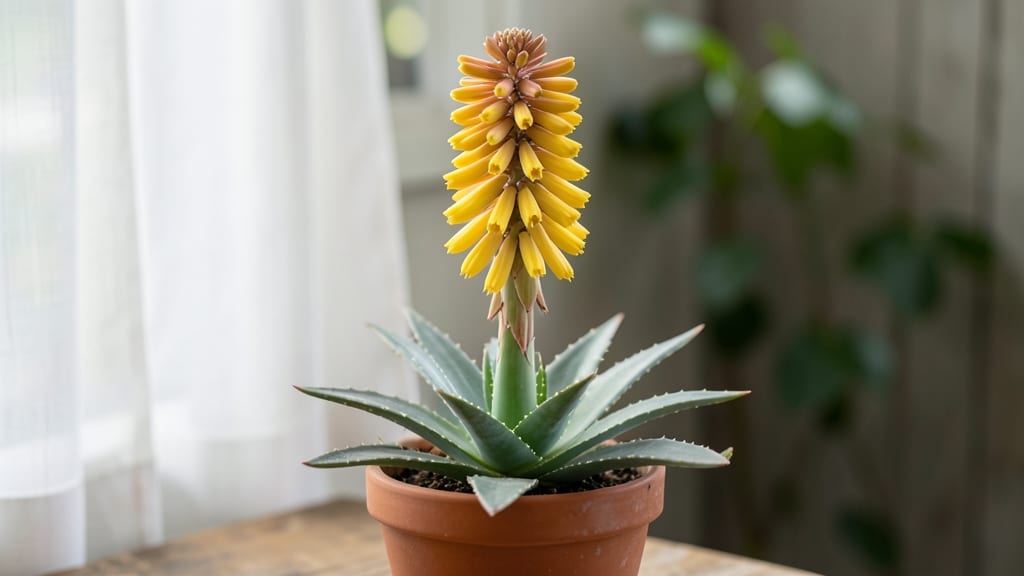
Seeing those bright yellow flowers on your aloe vera 🌱 might look pretty, but they’re usually a red flag your plant is stressed—and ignoring them could mean bigger problems down the road.
Whether it’s overwatering, nutrient gaps, or even pests, these yellow blooms are your aloe’s way of signaling it needs help.
Don’t panic—fixing the issue is simpler than you think. I’ll walk you through the most common reasons behind yellow flowers and show you exactly how to adjust your care routine for a fast recovery.
With just a few tweaks, you can get your aloe vera back to its healthy, vibrant self in no time.
You’ll also learn how to prevent future yellowing by mastering the right watering schedule, sunlight balance, and soil conditions. Trust me, once you spot these early warning signs, you’ll catch them before they become a full-blown issue.
Let’s dive in—your aloe vera’s health depends on it, and fast action is the key to keeping it thriving for years to come.
Why your aloe vera flower turns yellow: 5 hidden causes
Aloe vera plants are prized for their striking yellow flowers, but when they turn yellow prematurely, it’s often a distress signal. These blooms should be vibrant and orange-red, not dull or yellowing.
The issue usually stems from poor care practices or environmental factors that stress your plant. Understanding these hidden causes is the first step to restoring your aloe’s health and preventing further damage.
Yellowing in aloe vera flowers typically indicates the plant is struggling to absorb nutrients or is under environmental stress. Unlike the leaves turning yellow, which is more common, flower discoloration is often overlooked but equally critical.
Your aloe might be sending you a clear message—it’s time to adjust your care routine. Let’s explore the top 5 reasons this happens and how to address them.
- 1 Overwatering: Aloe vera roots rot when overwatered, starving the flowers of nutrients. Yellowing often starts at the base of the bloom, spreading upward.
- 2 Nutrient Deficiency: Lack of phosphorus or magnesium causes weak, yellowing flowers. This often happens in poor-quality soil or after repotting without amendments.
- 3 Pest Infestations: Mealybugs or spider mites suck sap from flowers, causing yellowing and wilting. Check the undersides of blooms for tiny webs or cottony residue.
- 4 Fungal Diseases: Excess moisture or humidity invites powdery mildew or root rot, which can spread to flowers. Yellowing often accompanies a white, powdery coating.
- 5 Environmental Stress: Extreme heat, cold drafts, or sudden temperature swings shock the plant. Flowers are more sensitive than leaves and react quickly with yellowing.
Overwatering is the most common culprit behind yellowing aloe vera flowers. These succulents thrive on neglect, and soggy soil suffocates their roots. When roots can’t absorb water efficiently, the entire plant—including flowers—struggles.
I’ve seen aloe vera flowers turn yellow within days of being overwatered, especially if the pot lacks drainage holes. Always let the soil dry completely between waterings, even in summer.
Nutrient deficiencies often fly under the radar but are equally damaging. Aloe vera flowers need phosphorus for blooming and magnesium for chlorophyll production. If your plant’s soil is depleted, the flowers will yellow first.
Test your soil’s pH—aloe vera prefers neutral to slightly acidic soil (6.0–7.0). If your soil is too alkaline, amend it with peat moss or sulfur to restore balance.
Pests like mealybugs and spider mites are sneaky but devastating. They pierce flower tissue, draining nutrients and causing yellowing. I once had an aloe vera plant with yellowing blooms that turned out to be infested with mealybugs.
Inspect your flowers closely—look for tiny white cottony clusters or fine webbing. Treat infestations with neem oil or insecticidal soap applied directly to the flowers.
Fungal diseases thrive in damp conditions, and aloe vera flowers are particularly vulnerable. Powdery mildew appears as a white, powdery coating on yellowing blooms, while root rot causes flowers to wilt and turn yellow from the base.
Improve airflow around your plant by spacing it away from other foliage and avoiding overhead watering. If you suspect fungal issues, treat with a copper fungicide and repot in fresh, sterile soil.
Environmental stress often manifests as yellowing flowers when other parts of the plant seem fine. Aloe vera is sensitive to temperature extremes, so sudden cold snaps or scorching heat can shock the plant.
Keep your aloe in a location with consistent temperatures between 55°F–80°F. If you’re moving your plant indoors during winter, do it gradually to avoid stress.
Yellowing aloe vera flowers can also signal natural aging, but this usually affects older blooms at the base of the stem. If the entire flower cluster is yellowing, it’s likely a care-related issue.
Pay attention to the pattern of yellowing: base-to-tip often indicates overwatering, while uniform yellowing suggests nutrient issues or pests.
Don’t ignore yellowing flowers—address the issue quickly to prevent it from spreading to the leaves. Your aloe vera’s health depends on early intervention.
In the next section, I’ll walk you through a step-by-step recovery plan tailored to each cause, so you can revive your plant’s vibrancy and encourage new, healthy blooms.
How to fix yellow flowers on aloe vera: step-by-step recovery plan
Yellowing aloe vera flowers don’t have to mean the end for your plant. With the right corrective actions, you can revive your aloe and encourage fresh, vibrant blooms. The key is identifying the root cause and addressing it immediately.
Start by inspecting your plant’s soil moisture, flower structure, and surrounding environment—these clues will guide your recovery steps.
If you suspect overwatering is the issue, the first step is to stop watering entirely for at least 2 weeks. Let the soil dry out completely before resuming a strict watering schedule.
Aloe vera thrives on drought, so only water when the top 2-3 inches of soil are bone-dry. Use a pot with drainage holes to prevent future soggy soil issues.
⚠️ Warning: Yellow Flowers Can Spread
Ignoring yellowing aloe vera flowers can lead to root rot or leaf yellowing within days. If you see white powdery spots (fungus) or sticky residue (pests), act immediately. Delaying treatment risks losing your entire plant—aloe vera flowers are highly sensitive indicators of underlying stress.
For nutrient deficiencies, amend your soil with a balanced fertilizer low in nitrogen (like a 2-7-2 NPK ratio). Mix in compost or bone meal to boost phosphorus and magnesium levels.
Repot your aloe vera in fresh, well-draining soil if it’s been in the same container for over a year. Always use a pot with drainage holes to prevent waterlogging.
When dealing with pests like mealybugs or spider mites, isolate your aloe vera immediately to prevent spreading. Wipe down flowers and leaves with a mixture of 70% isopropyl alcohol and water (1:1 ratio) using a soft cloth.
For severe infestations, apply neem oil spray weekly until the pests disappear. Check the undersides of leaves and flower stems—these are prime hiding spots.
If fungal diseases like powdery mildew are causing yellowing, improve airflow around your plant by spacing it away from other foliage. Avoid overhead watering and water only at the base of the plant in the morning.
Treat with a copper fungicide or baking soda solution (1 tsp baking soda + 1 quart water + a drop of dish soap) every 7-10 days until the issue clears.
To prune affected flowers, use sterilized scissors to cut yellow blooms at the base of the stem. This redirects the plant’s energy to healthier growth. Prune in the morning when the plant is hydrated and avoid cutting into green tissue—focus only on fully yellowed or diseased flowers.
After pruning, monitor your aloe for new growth within 2-4 weeks.
Finally, adjust your aloe’s environmental conditions. Keep it in a location with consistent temperatures between 55°F–80°F and avoid cold drafts or direct heat sources. If moving your aloe indoors, do it gradually over 1-2 weeks to prevent shock.
With these steps, your aloe vera should show signs of recovery within 3-6 weeks, with new, healthy flowers emerging.