
Flowers
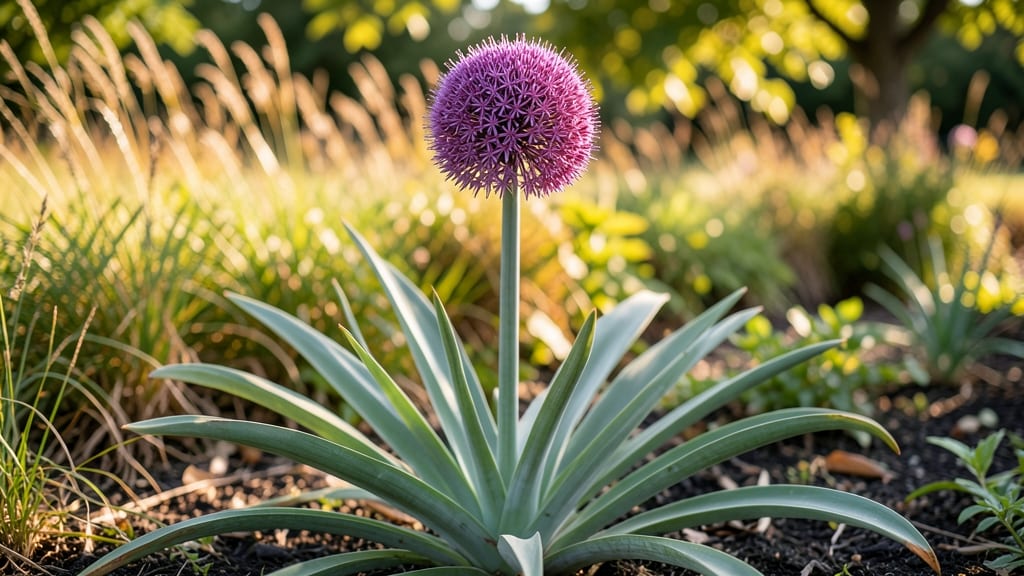
Timing your Allium Flower bloom time could mean the difference between a garden bursting with dramatic purple globes and one that misses the show entirely. These striking 🌸 blooms thrive in spring, but getting the planting window right—especially in USDA Zone 6a—isn’t just about luck.
Whether you’re eyeing early March varieties or late April plantings, small adjustments can shift your blooms from May to June, extending your garden’s color palette.
Most gardeners assume all alliums follow the same schedule, but the truth is far more flexible. Some varieties, like Allium giganteum, shoot up early, while others, such as Allium schubertii, play it cool until late spring.
The key? Planting bulbs 6–8 weeks before your last frost date—a simple rule that unlocks peak blooms when you need them most.
Climate plays a bigger role than you might think. Cooler regions can push blooms later, while warmer areas might see them pop earlier. Even sunlight exposure—those 6+ hours of full sun—can tweak timing.
I’ll show you how to read your local conditions and adjust for the longest-lasting, most vibrant allium display.
Ready to turn your garden into a springtime spectacle? Let’s break down the exact planting windows, variety-specific tricks, and pro tips to keep those 🌸 blooms coming—no guesswork required.
Allium flower bloom time by variety: when to expect stunning blooms
Allium flowers are garden superstars, offering bold colors and long-lasting blooms that attract pollinators. But their bloom times vary dramatically by variety—some burst into color in early spring, while others shine in late summer.
Knowing these windows helps you plan a continuous display of purple, white, and blue all season long.
To create a sequential bloom schedule, I’ve organized popular allium varieties into early, mid, and late-season categories. This ensures your garden stays vibrant from March through September, with minimal gaps between blooms. Let’s dive into the specifics so you can time your plantings like a pro.
For a non-stop color show, I recommend planting a mix of early and late-season varieties. For example, Allium 'Haarlem Pearl' (white, April-May) pairs beautifully with Allium giganteum (purple, May-June), while Allium sphaerocephalon (July-August) extends the season into summer. This strategic layering ensures your garden never looks bare.
If you’re in cooler climates (USDA zones 3–5), expect blooms to shift 2–4 weeks later than the table above. For instance, Allium giganteum might not bloom until late June in zone 4.
Always adjust planting times based on your last frost date—aim to plant bulbs 6–8 weeks before the first signs of spring.
Pro tip: Deadhead spent blooms to encourage a second flush of flowers in some varieties like Allium 'Purple Sensation'. This simple trick can extend blooms by 2–3 weeks, giving you even more time to enjoy their striking forms.
Just snip off the faded heads with clean pruning shears to keep the plant tidy and productive.
Don’t overlook soil conditions—alliums thrive in <
How to time Allium planting for optimal bloom seasons
Timing your allium planting is the secret to unlocking those globe-shaped blooms at exactly the right moment.
Most gardeners focus on spring blooms, but the truth is, alliums planted in fall or early spring can shift your garden’s color palette from May to June—or even later, depending on your USDA zone.
For example, in Zone 6a, planting bulbs in October ensures early March blooms, while a February planting might push flowers to April.
Regional differences matter more than you’d think. Cooler northern zones like Zone 3 benefit from fall planting to beat frost, while warmer southern zones like Zone 10 can plant as late as January and still enjoy summer blooms.
The key is aligning your planting with your last frost date and local climate quirks—like unexpected late frosts or early heatwaves.
Don’t overlook soil preparation—this is where many gardeners miss the mark. Alliums thrive in well-draining soil, so mix in organic matter like compost or aged manure before planting. If your soil is heavy clay, add perlite or coarse sand to prevent rot.
A quick pH test ensures your soil is in the ideal 6.0–7.0 range, which boosts nutrient uptake and flower production.
Once planted, sunlight exposure becomes your next critical factor. Alliums need 6+ hours of direct sun daily to develop strong stems and vibrant blooms. In shady spots, stems may flop, and flowers will be smaller.
If you’re in a Zone 9–10 area, consider partial afternoon shade to protect blooms from intense summer heat, which can scorch petals.
Pro tip: Mark your planting dates and track bloom times each year. Over time, you’ll spot patterns—like how early spring rains might delay blooms by a week or how summer droughts can shorten the flowering window.
Adjust your planting schedule accordingly to keep your garden’s 🌸 allium show at its peak.