
Flowers
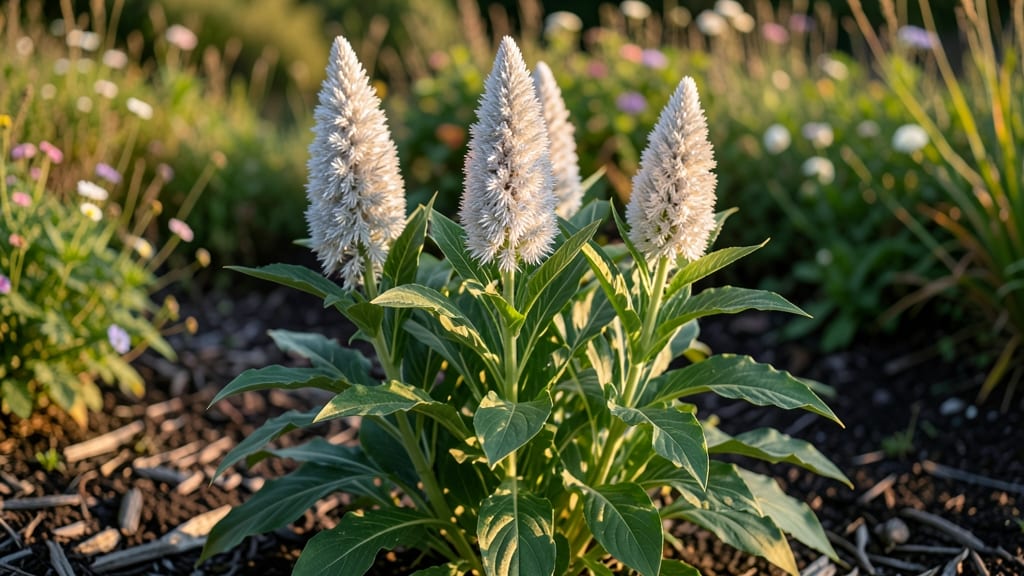
If your celosia flower height is growing taller than expected—or staying stubbornly short—you’re not alone. These vibrant blooms can range from tiny 8-inch dwarfs to towering 3-foot giants, depending on variety and care. Understanding what influences their height helps you shape your garden exactly how you want it.
Whether you’re dreaming of dramatic plume varieties reaching for the sky or compact cushion types perfect for borders, the right approach makes all the difference. I’ll break down how sunlight, soil, and pruning work together to control growth—so you can enjoy the perfect celosia display without surprises.
From upright varieties that need support to spreading types that stay low, each celosia has its own growth quirks. The good news? With a few simple adjustments, you can train your plants to hit your ideal height—whether that’s a neat 1-foot hedge or a bold 3-foot statement piece.
Ready to take the guesswork out of celosia height? Let’s dive into the secrets of managing growth naturally, so your garden stays balanced and beautiful all season long.

Dwarf vs. giant celosia varieties: height comparison & best uses
Celosia flowers are like nature's fireworks, bursting with color in plume or cockscomb shapes. But did you know their heights can vary dramatically? From dwarf varieties that stay under a foot to giant types reaching nearly four feet, choosing the right size is key to your garden's design.
Let's explore how these heights compare and where each type thrives best.
Understanding celosia flower height helps you create stunning visual contrasts. Dwarf varieties work perfectly for container gardens or edging, while tall varieties make dramatic backdrops. The right placement can transform your garden from ordinary to extraordinary with minimal effort.
Let me show you how to match each variety to its ideal setting.
| Variety Type | Height Range | Best Uses | Growth Habit |
|---|---|---|---|
| Dwarf Plume | 6-12 inches | Containers, borders, fairy gardens | Compact, bushy |
| Semi-Dwarf Plume | 12-18 inches | Window boxes, mass plantings | Upright, spreading |
| Standard Plume | 18-24 inches | Cut flowers, mid-border plantings | Tall, branching |
| Giant Cockscomb | 24-48 inches | Backdrop plant, focal point | Bold, upright |
| Dwarf Cockscomb | 8-12 inches | Rock gardens, small pots | Low-growing, rounded |
The dwarf varieties like 'Tom Thumb' and 'Chocolate Cherry' are perfect for small spaces. Their 6-12 inch height makes them ideal for container gardens or fairy garden accents. These compact plants thrive in well-draining soil and full sun, producing vibrant blooms that stay proportional to their size.
For mid-height options, consider 'Merry Christmas' or 'Pink Flamingo' varieties. These 18-24 inch beauties create stunning mid-border plantings and work well as cut flowers. Their branching habit provides excellent coverage while maintaining an elegant, upright form that complements taller garden elements.
When you need a dramatic statement, giant varieties like 'New Look' or 'Crimson King' deliver. These 24-48 inch powerhouses serve as backdrop plants or focal points in your garden design. Their bold, upright growth creates visual impact while requiring minimal maintenance once established.
One of my favorite tall celosia varieties is 'Solar Flare', which reaches 36-48 inches with bright yellow plumes. I planted it last summer as a backdrop for my vegetable garden, and it not only provided stunning color but also attracted beneficial pollinators all season long.
For container gardening, mix dwarf plume varieties with trailing plants like sweet potatoes. The 6-12 inch celosia height creates perfect vertical interest while the trailing plants spill over the edges. This combination works beautifully in hanging baskets or window boxes.
If you're designing a pollinator garden, consider planting tall celosia varieties like 'Atomic Red' alongside native grasses. The 24-36 inch height provides excellent landing platforms for bees and butterflies while adding vibrant color to your landscape.
Remember that celosia flower height can be influenced by growing conditions. Plants in poor soil may grow shorter, while those with rich compost and regular feeding often reach their maximum potential. Always check your variety's specific requirements before planting.
For urban gardens with limited space, dwarf cockscomb varieties like 'Flashback' are excellent choices. Their 8-12 inch height fits perfectly in small pots or balcony containers, adding vibrant color without overwhelming your space.
🌸
Natural ways to control celosia flower height without chemicals
Want to shape your celosia plants to reach the perfect height without harsh chemicals? The key lies in understanding how pruning, soil nutrition, and plant spacing interact to influence growth.
Unlike fast-growing annuals, celosias respond well to gentle adjustments—whether you’re aiming for a compact border or a dramatic backyard focal point.
Most gardeners assume taller celosias are inevitable, but with the right techniques, you can guide their growth naturally. For example, upright varieties like 'Vintage Flame' can be trained to stay under 2 feet with strategic pruning, while plume types like 'Cockscomb' thrive when given just enough room to spread.
Let’s explore the simplest, most effective methods to control height without synthetic inputs.
-
1
Prune for Compact Growth
Pinch back the top 2-3 inches of stems when plants are 6 inches tall to encourage bushier, shorter growth. Repeat every 4-6 weeks to maintain desired height. Avoid cutting into flower buds—focus on leafy stems.
-
2
Adjust Soil Nutrition
Use a low-nitrogen fertilizer (like 5-10-10) to promote flowering over foliage. Over-fertilizing with nitrogen can lead to taller, leggy plants. For dwarf varieties, reduce fertilizer by 50% to stunt excessive growth.
-
3
Space Plants Strategically
Plant upright celosias 12-18 inches apart to prevent competition for nutrients, which can stunt growth. For spreading types, space them 10-12 inches apart to encourage wider, shorter blooms. Overcrowding often leads to taller, weaker stems.
-
4
Support Taller Varieties
Use stakes or cages for varieties like 'Crimson Plume' to prevent flopping and encourage vertical growth. Remove lower leaves to improve airflow and reduce disease, which can weaken stems and cause height loss.
-
5
Seasonal Care Tips
In spring, prune lightly to shape growth. During summer, reduce watering slightly to slow rapid growth. In fall, allow plants to mature naturally for taller blooms before frost. Mulch with compost to retain moisture and nutrients.
One of the biggest misconceptions about celosia height control is that it requires constant attention. In reality, a little preventative care—like proper spacing and balanced fertilization—goes a long way.
For instance, if you’re growing 'Dwarf Celosia' varieties, simply avoiding overcrowding can keep them at a manageable 8-12 inches without pruning.
For taller varieties, focus on support structures and light pruning to maintain strength. I’ve found that combining these methods with consistent watering (but not overwatering) helps celosias reach their full potential height without becoming top-heavy or prone to disease.
The goal is to work with the plant’s natural growth habits, not against them.
Ready to experiment? Start with one technique—like pruning or spacing—and observe how your celosias respond. With a little patience, you’ll have perfectly sized blooms that fit your garden vision, all while keeping your methods chemical-free and eco-friendly. 🌸